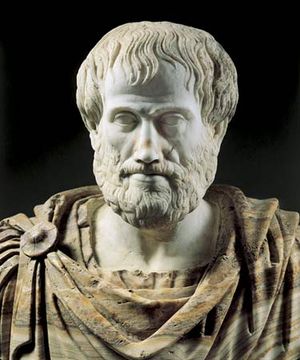
Arystoteles (384–322): Ten ustrój jest dobry, który ma na celu dobro ogólne, a zły ten, którego celem są interesy rządzących. Najlepszym ustrojem jest ten, który nie tylko dba o zachowanie życia obywateli, ale także troszczy się, aby to życie było piękne i cnotliwe. Celem państwa jest zorganizowanie ludziom dobrego życia, czyli odpowiednich warunków dla ich rozwoju duchowego, a tym samym umożliwienie każdej jednostce osiągnięcie szczęścia. [A political system is good if it aims at the common good, and bad if its purpose is to serve the interests of those who govern. The best form of government is one that not only ensures the preservation of its citizens’ lives but also seeks to make those lives virtuous and fulfilling. The purpose of the state is to organize a good life for its people by creating appropriate conditions for their spiritual and moral development, thereby enabling each individual to achieve happiness].
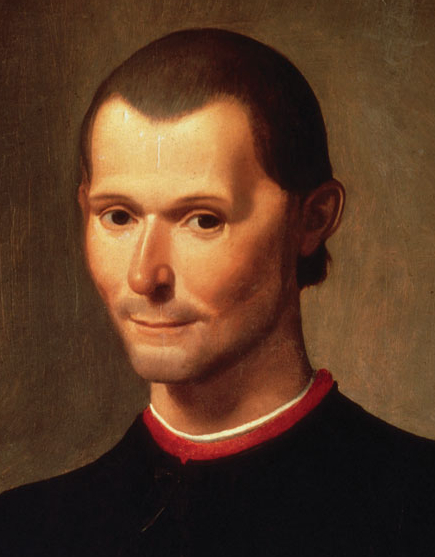
Niccolo Machiavelli (1469-1527): Polityka ma służyć takim wartościom, jak ład, praworządność, pokój. Polityka jest amoralną sztuką rządzenia państwem podporządkowaną skuteczności osiągania założonych celów. Władza ma być silna i dyscyplinująca, a jej pierwszą troską musi być samo utrzymanie się przy władzy. Cele swoje władza ma realizować nie oglądając się ani na ludzi, ani na zasady moralności. Niezgodne z rozumem jest to, aby uzbrojony dobrowolnie słuchał bezbronnego. [Politics should serve such values as order, the rule of law, and peace. Politics is an amoral art of governing the state, subordinated to the effective achievement of predetermined goals. Political power should be strong and disciplinary, and its foremost concern must be its own preservation. Those in power should pursue their objectives without regard for either individuals or moral principles. It is contrary to reason for the armed to obey the unarmed voluntarily.].
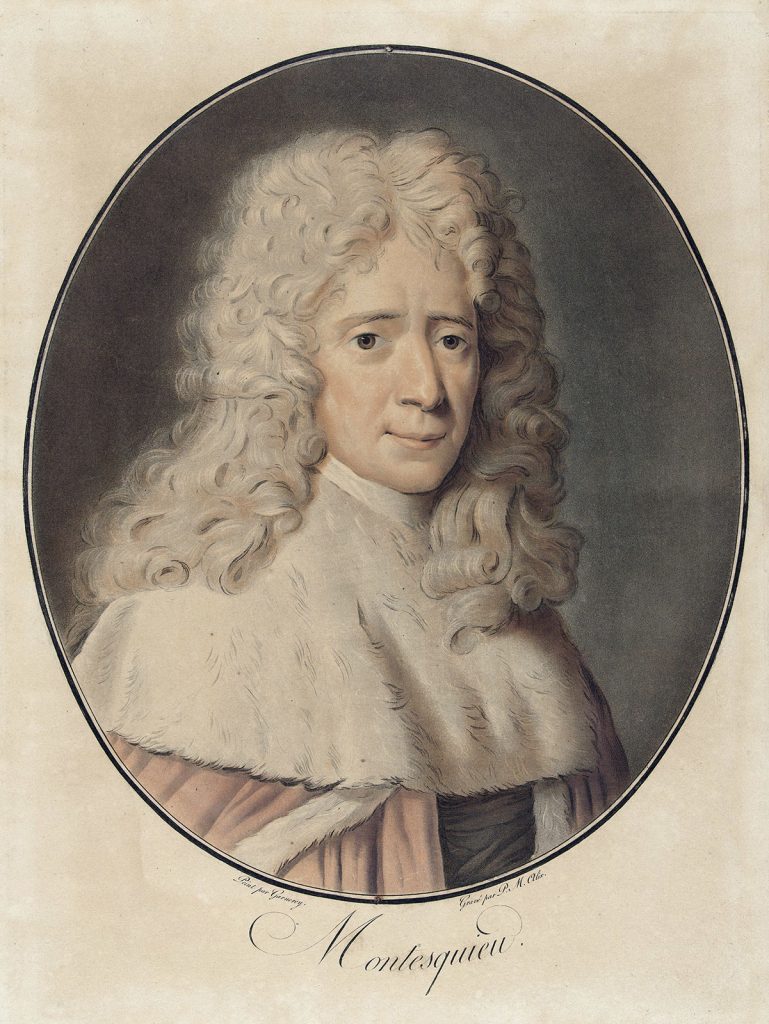
Charles de Montesquieu (1689–1755): Rządy despotyczne ustąpić muszą rządom oświeconej elity opartym na poszanowaniu prawa, będącego zarówno gwarantem wolności, jak i bezpieczeństwa jednostki. Sposobem na uniknięcie niebezpieczeństwa skupiania władzy w jednym ręku i ryzyko powstania rządu tyrańskiego ma być trójpodział władzy na władzę ustawodawczą, wykonawczą i sądowniczą. [Despotic rule must give way to the governance of an enlightened elite founded on respect for the rule of law, which serves as a guarantor of both individual freedom and security. A means of preventing the concentration of power in a single pair of hands and reducing the risk of tyrannical government is the separation of powers into the legislative, executive, and judicial branches].
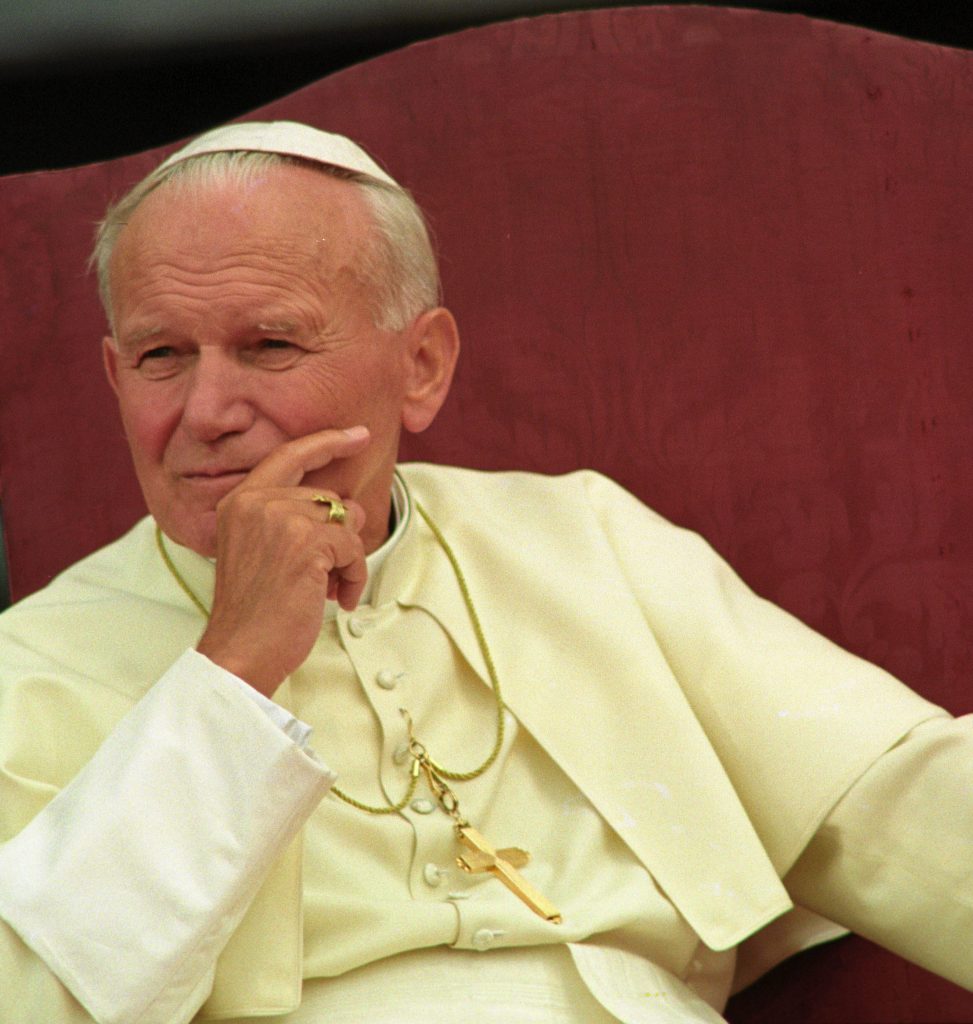
Karol Wojtyła/Jan Paweł II (1920-2005): Człowiek jest celem wszelkich działań i nigdy nie może być potraktowany jako środek do jakiegokolwiek innego celu. W tym dostrzega się moralny i duchowy wymiar człowieka, a politykę określić można jako „roztropną troskę o dobro wspólne”. [The human person is the ultimate end of all actions and must never be treated merely as a means to any other end. This perspective recognizes the moral and spiritual dimensions of human beings, while politics may be defined as “the prudent pursuit of the common good”].